

A global EHS software rollout is a lengthy process, which often reveals hidden issues that could potentially cause failure. One of these issues is language, and usually that becomes known slowly and site by site. When operating in multiple sites in 15, 30, or 50+ countries, then language stops being a UI detail and becomes an adoption and a data quality problem at the same time. Most EHS vendors will tell you their platform supports multiple languages. But “multi-language” can mean very different things and the gap between them is often where a global rollout stalls.
This blog breaks down what “multi-language” means, the specific questions to ask during vendor evaluation, and what answers you should expect to hear.
What “multi-language support” could mean
Almost every vendor will say their platform “supports many languages.” However, that can mean any of the below things:
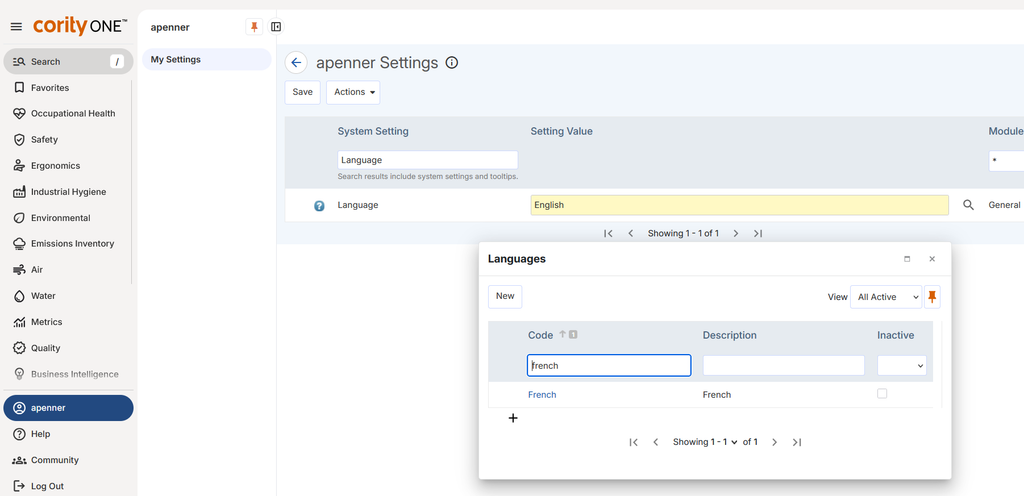
- Interface translation. Buttons, menus, and field labels appear in the language a user selects. In practice, this can mean a standard package of core languages that expands to dozens more as needed. Robust platforms can be configured with as many as 40, including right-to-left scripts like Arabic and languages such as Hindi and simplified Chinese.
- Content translation. The free text someone writes, including: an incident description, a comment, a risk assessment note. This is what gets translated and not just the labels around it. This is the layer that determines whether a manager reviewing incidents from ten countries can understand what happened at each one. Many of our customers have described exactly the gap that the lack of this feature creates. The free-text description on an incident report isn’t being translated, so all they get are the standard fields. The narrative of what happened remains invisible and when incident narratives go unread or unreported, the risk connects directly to how organizations track and prevent serious injuries and fatalities. On mobile specifically, this layer can also mean letting a frontline worker select their own language and enter data directly in it, reporting an incident in their native language while the system translates it back for corporate visibility.
- Regulatory and document translation. Country-specific forms generated correctly, in the right language and format, based on where the incident happened. In practice, this can look like a system that auto-populates the correct regulatory PDF form, a UK RIDDOR filing or a German incident report, with the data already captured, based on the jurisdiction selected.
- Voice and speech-to-text translation. Some platforms now extend translation beyond typed free text to spoken input. Cority’s Incident Voice Entry Agent, for example, allows frontline workers to report an incident by speaking in their own language, with the input automatically translated into the organization’s chosen corporate language, whether that’s English, Spanish, or another standard.
For more on why multilingual design matters across enterprise software generally, see why multilingual UX design is key to enterprise software.
Key questions to ask EHS vendors
1. Which of these translation types do you support, and which are extras?
Vendors should be able to speak to each one specifically, not just say “we support many languages.” If a demo only shows translated menus, ask to see free text and a regulatory form translate correctly too.
2. Is free text translated automatically?
Look for an integration with an established translation engine applied directly to free-text fields, not only field names, but also descriptions, comments, and notes a user writes. In addition, comprehensive platforms offer this at the point of data entry itself, translating content as it’s typed rather than requiring a separate step afterward.
3. What’s included in your standard language package?
Ask for a clear breakdown of what’s bundled into the base platform versus billed separately. How many languages are included out-of-the-box, and whether the translation approach (automated, manual review, or a mix) is flexible enough to fit different budgets. Enterprise-grade platforms can include up to 40+ languages as part of the core offering rather than treating each one as a paid add-on.
4. Can we edit or correct translations for our own terminology?
A capable platform lets an administrator go in and correct a specific mistranslated phrase once, such as changing a field label directly in the system, so it’s fixed permanently for every user, not just patched record by record. If the vendor’s answer is that corrections aren’t possible or have to go through their support team every time, factor that into your total cost of ownership.
5. How quickly can we add a new language when we expand?
Look for a defined, repeatable process. This should include exporting phrases, translating and reimporting them, or an API-based translation flow, rather than a custom development effort each time.
For broader guidance on communication across EHS programs, check out Mastering the Art of Communication for EHSQ Professionals.
Translating incident reports and safety training without losing accuracy
Automated translation covers a lot of ground quickly, but speed isn’t the same as accuracy. For safety training specifically, OSHA is clear that training must be delivered in a manner employees can understand, not simply made available in another language. Translation quality has two components worth evaluating separately:
- General language accuracy. This covers day-to-day translation and whether the process is fluent and correct. Engine-based translation generally handles this well.
- Local and organizational context. Your specific safety codes, technical jargon, and industry terminology. The quality of a translation also depends on the local context of the organization, meaning that specific codes and jargon need to be reviewed, and a system should let an admin change a translated label directly and have it apply for every user immediately.
Getting real, demonstrated answers to these before signing is far cheaper than discovering the gaps after a site goes live and workers can’t use the tool in a language they understand.