

The State of EHS+ Technology

A Global Study on How Organizations Are Applying AI and Technology to Control Risk.
Surge in EHS+ Platform Adoption Among Companies with Leaner Operations Signals Broader Market Shift, Cority Reports

Small to mid-sized businesses are consolidating onto AI-enabled EHS+ platforms — Cority’s new customer adds in this segment of the market grew 119% year-over-year in 2025. . TORONTO — May 21, 2026 — Cority, the converged platform for preventing EHS+ risks in operations, today announced new evidence of an accelerating market shift: an increasing share […]
EHS+ Accelerate Workshop | Washington, DC
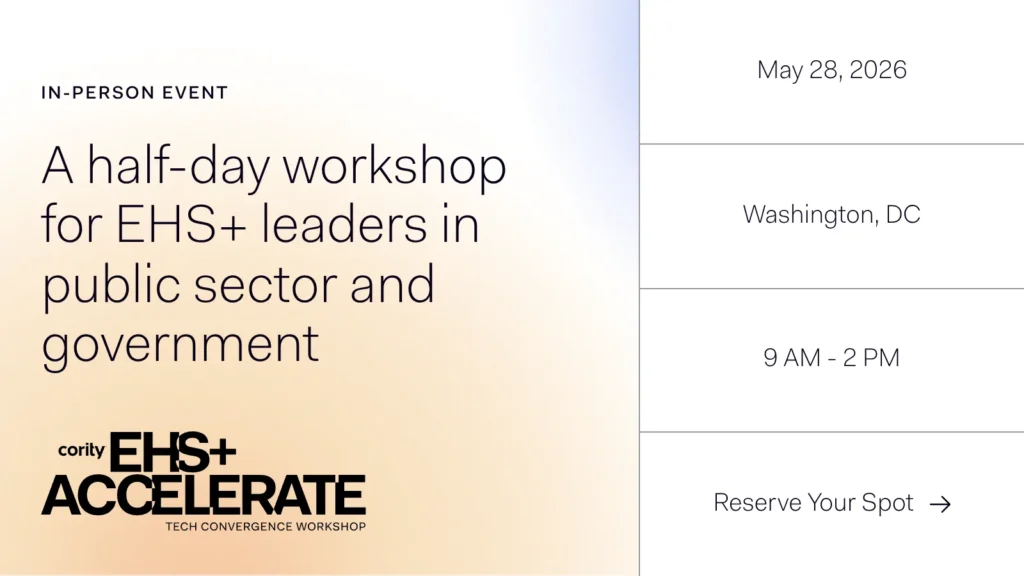
An invite-only, in-person workshop for senior EHS+ leaders in public sector and government THURSDAY, MAY 28 | Amazon HQ2 Campus, 1400 S. Eads St., Arlington | 9:00 AM – 2:00 PM ET This session brings a select group of senior EHS+ leaders together for honest peer conversation, research-backed insights, and hands-on interactive discussions. Throughout the […]
Applied AI in EHS: Foundations to Real-World Impact

Artificial Intelligence (AI) is everywhere, yet for many organizations, it remains poorly understood. If ten people were asked to define AI, it’s likely no two answers would be the same. As of today, there is no single legal or universally recognized definition of AI. The technology itself is still in its infancy, with governments and […]
Why Vendor Consolidation Is Now Essential for AI‑Ready IT Operations
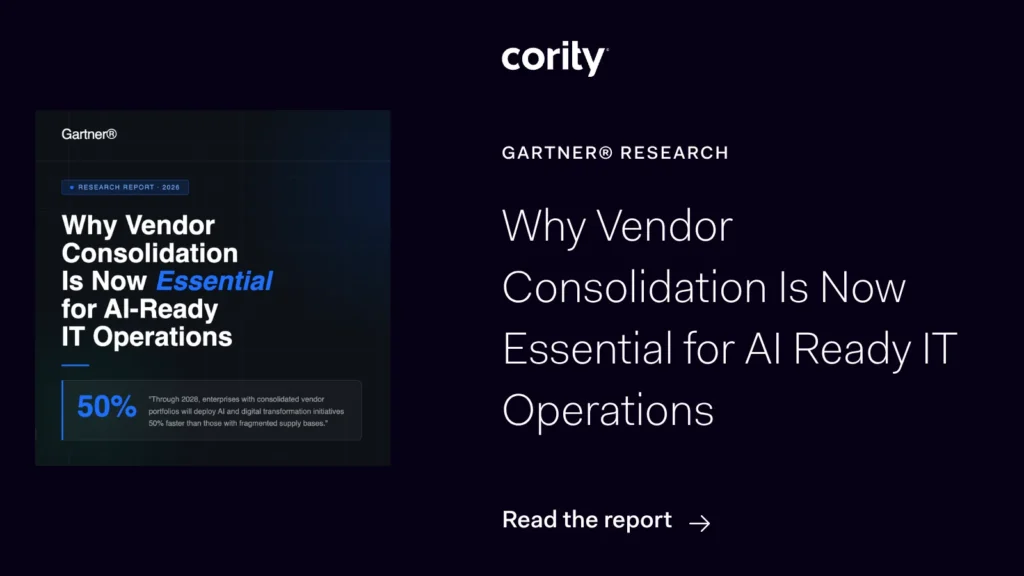
Consolidation is no longer just a cost-reduction tactic — it’s a strategic necessity. Discover why fragmented IT portfolios slow innovation, increase risk, and block AI deployment at scale.
How EHS Leaders Are Using AI
On episode 293 of EHS On Tap, Amanda Smith, Executive Vice President of Strategy at Cority, talks about a new report examining how EHS leaders are using AI. This episode is sponsored by Cority.
How HSE Software Supports Saudi Aramco Contractor Safety Management

Saudi Arabia’s Vision 2030 pipeline represents one of the largest concentrations of contractor opportunity in the global energy sector. Winning a place on Saudi Aramco’s approved contractor list is one of the most sought-after achievements in the industry. Keeping it is another matter entirely. Saudi Aramco manages one of the world’s largest and most complex […]
AI in Occupational Health: Promise, Peril, and Practical Reality

AI in occupational health is creating a lot of excitement and a lot of anxiety. Clinicians, occupational health teams, and industrial hygiene professionals are hearing about AI’s transformative potential from every direction. But the real question isn’t whether AI can do something impressive. It’s whether AI can solve the right problems. The answer starts with […]
Why Emissions Data Management Is A Strategic Imperative

Most organizations are sitting on emissions data they don’t fully understand. It exists in fragments, collected by individual assets, reported for different purposes, and rarely connected in a way that provides a clear picture of what’s happening across the business. The real value comes when organizations move beyond collection and compliance, and start using emissions […]
State of EHS+ Technology: New Cority Research Finds 95% of EHS+ Teams Using Unapproved AI Tools, No One Trusts it to Scale

Global survey of 2,000 senior leaders finds AI adoption is racing ahead of governance, trust, and system readiness TORONTO, April 22, 2026 — Cority, the global leader in EHS+ software, today released new research showing that AI adoption in EHS+ is accelerating faster than most organizations are prepared to manage. In a global survey of […]
Mike Jackson Returns to Cority to Lead Enterprise Sales as AI Reshapes the EHS Software Market
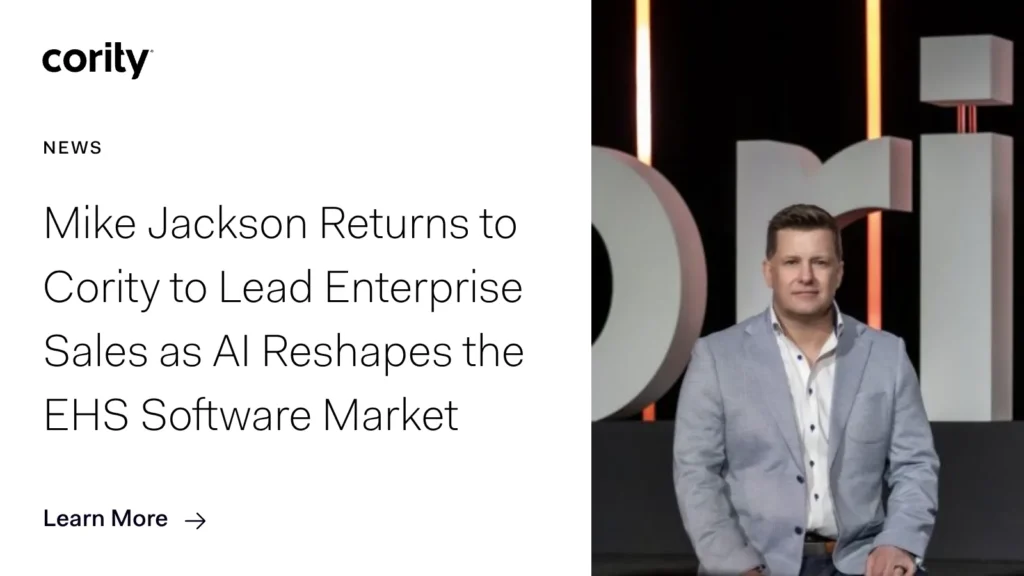
Veteran leader rejoins as enterprises retire fragmented systems in favor of unified, AI-ready platforms Toronto, ON — April 21, 2026 — Cority, the converged platform for preventing EHS+ risks in operations, today announced the appointment of Mike Jackson as Senior Vice President of Enterprise Sales. Jackson returns to Cority after five years, bringing more than […]