


Imagine a safety incident that never gets reported, until it becomes a headline. This scenario is more common than expected. A recent Gallup survey revealed that nearly half of serious workplace safety incidents go unreported globally. Underreporting not only endangers employees but also exposes organizations to compliance failures, reputational damage, and significant financial loss.
In today’s fast-paced and highly regulated environment, outdated safety management systems are a liability. Paper forms, spreadsheets, and manual workflows may feel familiar, but they create inefficiencies and blind spots that put people and businesses at risk.
Modernizing incident management is more than a technology upgrade, it is a strategic investment in safety, compliance, and long-term resilience.
The Hidden Costs of Traditional Safety Management
Legacy systems often create more problems than they solve. Common challenges include:
- Slow Reporting and Response Times: Paper-based or email-driven processes delay incident reporting and corrective actions, increasing the risk of recurrence.
- Data Silos: Safety data scattered across spreadsheets, folders, and emails makes it nearly impossible to identify trends or share insights across teams.
- Compliance Risks: Manual tracking increases the likelihood of missed deadlines, incomplete documentation, and audit failures.
- Limited Visibility: Without real-time dashboards, leaders lack the insights needed to make proactive decisions.
- Resource Drain: Safety teams spend excessive time chasing paperwork instead of focusing on prevention and strategic initiatives.
These challenges don’t just create inefficiencies, they can lead to higher incident rates, regulatory penalties, and erosion of trust among employees and stakeholders.
5 Reasons to Embrace a Digital Incident Management System
Digital incident management platforms are designed to address these challenges head-on. Here’s how they transform safety from a reactive function into a proactive business driver:
1. Real-Time Reporting and Faster Response
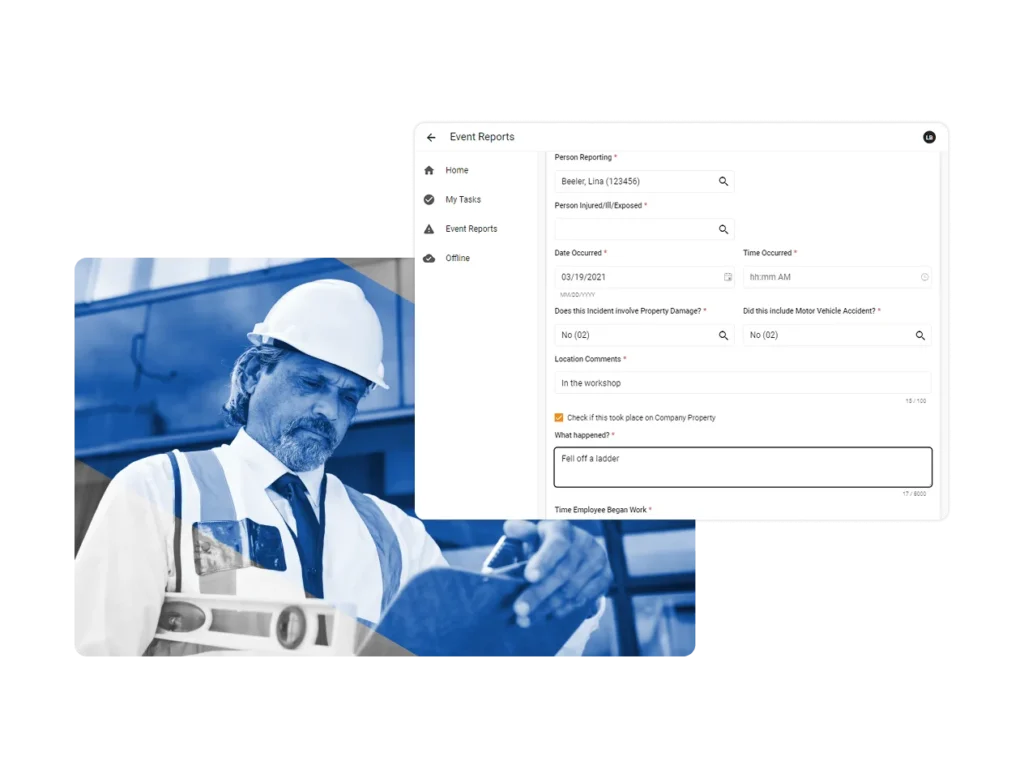
Mobile-friendly platforms empower employees to report incidents immediately from the field. This real-time capability ensures hazards are addressed quickly, reducing risk and improving workplace safety. Faster reporting also enables quicker investigations and corrective actions, minimizing downtime and disruption.
2. Centralized Data for Smarter Decision-Making
Digital systems consolidate all safety data into a single, secure platform. This centralization enables easy access to historical records, automated trend analysis, and real-time dashboards. Leaders can monitor performance, identify emerging risks, and allocate resources more effectively.
3. Streamlined Compliance and Audit Readiness
Automated documentation simplifies regulatory compliance. Digital platforms can generate audit-ready reports, track corrective actions, and reduce human error in recordkeeping. This not only lowers the risk of fines but also builds confidence with regulators and stakeholders.
4. Enhanced Accountability and Transparency
Digital workflows make it easy to assign tasks, track progress, and monitor completion. Everyone knows their responsibilities, and managers can see what’s done and what’s overdue, at a glance. This transparency fosters a culture of ownership and continuous improvement.
5. Scalability for Organizational Growth
As organizations expand, manual systems often break down under pressure. Digital platforms scale effortlessly, ensuring safety processes remain consistent and effective across locations, departments, and teams. This scalability supports growth without compromising safety standards.
The Business Case: Why Digitizing Safety Management Is Worth The Investment
For organizations hesitant to invest in new technology, the question often arises: “Why should we spend on software when our current system works?”
The answer is simple: Manual systems cost more than you think.
- Hidden Labor Costs: Time spent on paperwork, chasing signatures, and manually compiling reports adds up quickly.
- Incident Costs: The average cost of a medically consulted workplace injury is $42,000, while a fatality can exceed $1.3 million. Preventable incidents have a direct impact on the bottom line.
- Compliance Penalties: Missed deadlines or incomplete records can result in fines, legal action, and reputational damage.
- Lost Opportunities: Without data insights, organizations miss the chance to prevent future incidents and improve safety outcomes.
Digital solutions don’t just reduce risk, they unlock efficiency, free up resources, and enable smarter decision-making. Safety becomes a strategic advantage rather than a reactive obligation.
How Digital Incident Management Strengthens Safety Culture
Investing in a digital safety management system isn’t just about technology, it’s about building a culture of safety. When reporting is easy and transparent, employees are more likely to engage. When leaders have real-time insights, they can make informed decisions that prioritize well-being.
This cultural shift leads to:
- Fewer Incidents through proactive identification and mitigation of risks.
- Higher Morale as employees feel valued and protected.
- Stronger Performance because a safe workplace is a productive workplace.
Digital tools also support psychological safety by making it easier for employees to speak up without fear of reprisal. This openness is essential for continuous improvement and innovation.
How to Get Started with Digital Safety Transformation
Modernizing incident management doesn’t have to be overwhelming. Here’s a simple roadmap to begin the journey:
- Identify Pain Points: Where are delays, errors, or inefficiencies occurring in the current process?
- Choose a Scalable Solution: Look for software that can grow with the organization and integrate with existing systems.
- Engage the Team: Involve employees early in the process to ensure buy-in and adoption.
- Measure Impact: Track improvements in reporting speed, compliance rates, and incident reduction to demonstrate ROI.
Start small, iterate, and scale with the organization. The goal is progress, not perfection. For more tips, check out our eBook, “7 Frequently Asked Questions About Improving Safety Culture, Answered.”
Implement Digital Incident Management with Cority
Remaining stuck in outdated practices is no longer an option. Digital incident management is not a “nice-to-have”, it’s a business imperative. By modernizing the approach, organizations can protect employees, strengthen compliance, and unlock data-driven insights that drive continuous improvement.
Ready to implement a modern incident management system?
Cority helps organizations digitize incident reporting, improve investigation results, and reduce safety risks, without slowing teams down.