


Saudi Arabia’s Vision 2030 pipeline represents one of the largest concentrations of contractor opportunity in the global energy sector. Winning a place on Saudi Aramco’s approved contractor list is one of the most sought-after achievements in the industry. Keeping it is another matter entirely.
Saudi Aramco manages one of the world’s largest and most complex contractor ecosystems, thousands of firms, hundreds of thousands of workers, and projects spanning routine maintenance to multi-billion-dollar capital builds. Its “total workforce concept” holds contractors to the same core safety expectations as employees, with rigorous verification and enforcement. The standards are among the most comprehensive in the global oil and gas sector, and they are tightening year on year.
For HSE managers at contracting firms, this creates a compliance environment unlike any other: credential expiries, rotating workforces, monthly reporting deadlines, and continuous audit readiness, all held to one of the most rigorously enforced safety regimes in the world. Let’s discover whether your current processes are built to keep up.
The Safety Management Challenge
Saudi Aramco’s contractor requirements exist to prevent Serious Injuries and Fatalities through critical controls and the operational challenge of maintaining those controls at scale is what makes this environment genuinely demanding.
Saudi Arabia’s safety and compliance market is already worth more than $500 million and growing at 19.1% annually. Saudi Aramco’s contractor requirements are especially extensive, with over 60 General Instructions (GIs), the Construction Safety Manual (CSM), and the foundational GI 2.100. But the real challenge is operational. Managing multicultural, multilingual workforces where language barriers and varying safety cultures create competency gaps. Keeping credentials current across rotating personnel. Maintaining audit readiness while meeting monthly KPI submission deadlines, and doing all of this across multiple active worksites simultaneously.
Yet according to Verdantix, 44% of firms still manage contractor safety through outdated or non-existent commercial software and 75% of HSE leaders globally cite contractor safety management as their most pressing challenge.
What Saudi Aramco Requires
Each of the following requirements exists to support a specific layer of SIF prevention, from pre-qualification through to real-time on-site control.
Contractor Safety Management System (CSMS). Before a contractor is even permitted to bid on work, Aramco scores their HSE capability through the CSMS pre-qualification process. A strong score is more than a compliance threshold. It serves as a competitive differentiator, since Aramco evaluates historical safety data over a rolling three-year period when awarding contracts.
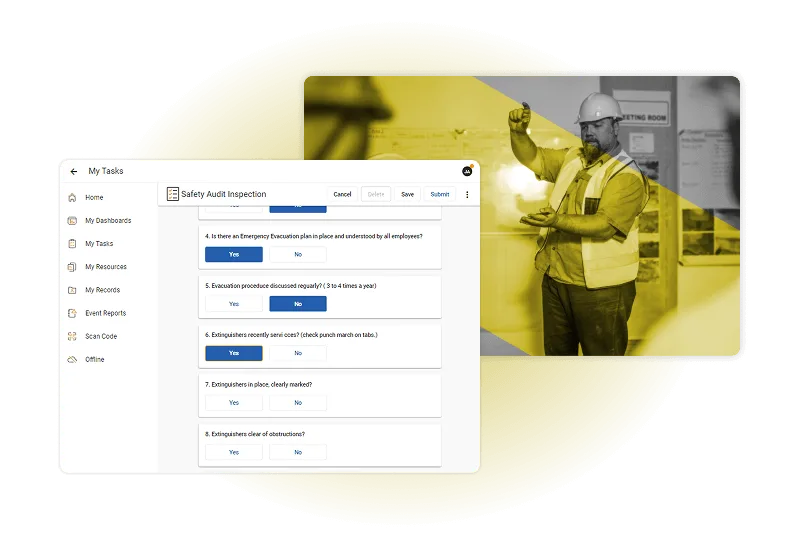
Worker Identity and Competency Verification. Once on-site, contractors must use the Contractor Passport mobile app to verify worker identities, training status, and site access permissions via QR codes. Unverified or under-trained workers cannot access the site.
Permit-to-Work (PTW) Compliance. Under GI 2.710, PTW compliance is strictly enforced and requires mandatory joint site inspections and rigorous hazard analysis before high-risk tasks can begin.
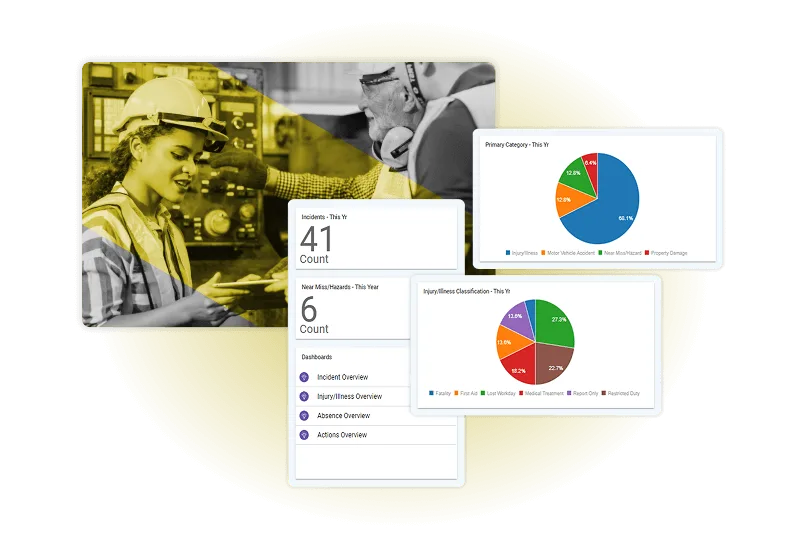
Safety Command Center (SCC) and AI-Based Site Monitoring. As of mid-2025, contractors are required to operate a dedicated Safety Command Center equipped with a Smart Site Monitoring Solution (SSMS) that uses AI-based monitoring, including 360-degree cameras and drones, to track safety performance in real time and detect Serious Injury and Fatality (SIF) precursors before incidents occur.
Incident Reporting and Monthly KPIs. Contractors must submit standardized safety statistics in Aramco’s format by the 5th working day of each month. Under-reporting carries lasting reputational and contractual consequences.
Beyond the core requirements, contractors must also obtain a Cybersecurity Compliance Certificate (CCC) meeting Aramco’s SACS-002 standard, renewed every two years, observe the noon work ban during summer months, register residential camps in the SafeCamp system, and re-acknowledge the Supplier Code of Conduct every three years. These obligations are enforced with the same rigor as any safety requirement.
How Purpose-Built Safety Software Protects Workers and Your Position
Not all HSE platforms are built equally and in the context of Saudi Aramco’s requirements, the gap between a generic compliance tool and a purpose-built solution that proactively addresses risks to prevent serious workplace incidents or fatalities becomes very apparent quickly.
Keep every credential, document, and record permanently audit-ready. A centralized document management system eliminates the end-of-month scramble by maintaining a live, cloud-based record of every certification, training completion, and regulatory document across your entire workforce. For a contractor managing hundreds of rotating workers across multiple Aramco sites, this alone removes one of the most persistent sources of compliance risk.
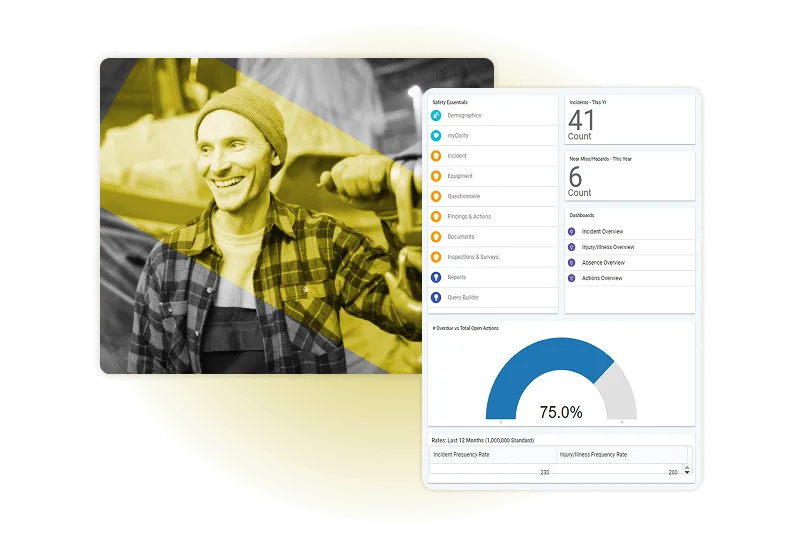
Put safety intelligence on-site. Modern platforms can ingest live feeds from cameras and drones, using AI to help identify potential SIF precursors and prompt intervention, turning the SSMS mandate from a hardware requirement into an active risk management capability. Alongside this, digital Permit-to-Work workflows manage the full permit lifecycle, from energy isolation and LOTO verification, gas testing records, authorized signatories, permit display, suspension and closeout. They also flag simultaneous operations conflicts (SIMOPS) and maintain the complete audit trail Aramco expects. Mobile-first field tools mean frontline supervisors can update records, complete inspections, and report observations in real time, not at the end of the shift.
Be built for this region specifically. For contractors working in Saudi Arabia, data residency matters. Platforms hosted in-Kingdom, on infrastructure like Google Cloud’s Saudi Arabia region, meet local data security expectations and reduce the compliance complexity that comes with offshore hosting.
The Commercial Case for Acting Now
In 2025, Saudi Aramco recorded 4 work-related fatalities across its entire operated portfolio, down from 8 in 2024. This defines what the world’s most demanding contractor compliance regime is actually trying to protect. For contractors who want to remain part of that ecosystem, the message is clear: safety performance is not just a reporting obligation anymore.
Contractors who can demonstrate consistent safety performance through structured, auditable records are better positioned to win bids than those relying on manually compiled data. The results are measurable: GFG Alliance, deploying Cority across a 35,000-person global operation, saw hazard reporting increase by 375% and workers’ compensation costs fall by 57%.
When competing on major Vision 2030 projects where the pipeline of work is substantial and the approved contractor list is the gateway to it, the stakes are unambiguous. Saudi Aramco’s move toward fully digital contractor oversight is already underway and the safety bar is rising. The question for every contractor operating in the Kingdom is not whether to invest in purpose-built HSE software. It is whether to do it before or after the consequences of not doing so become unavoidable.
See how Cority helps contractors meet Saudi Aramco’s evolving compliance standards.